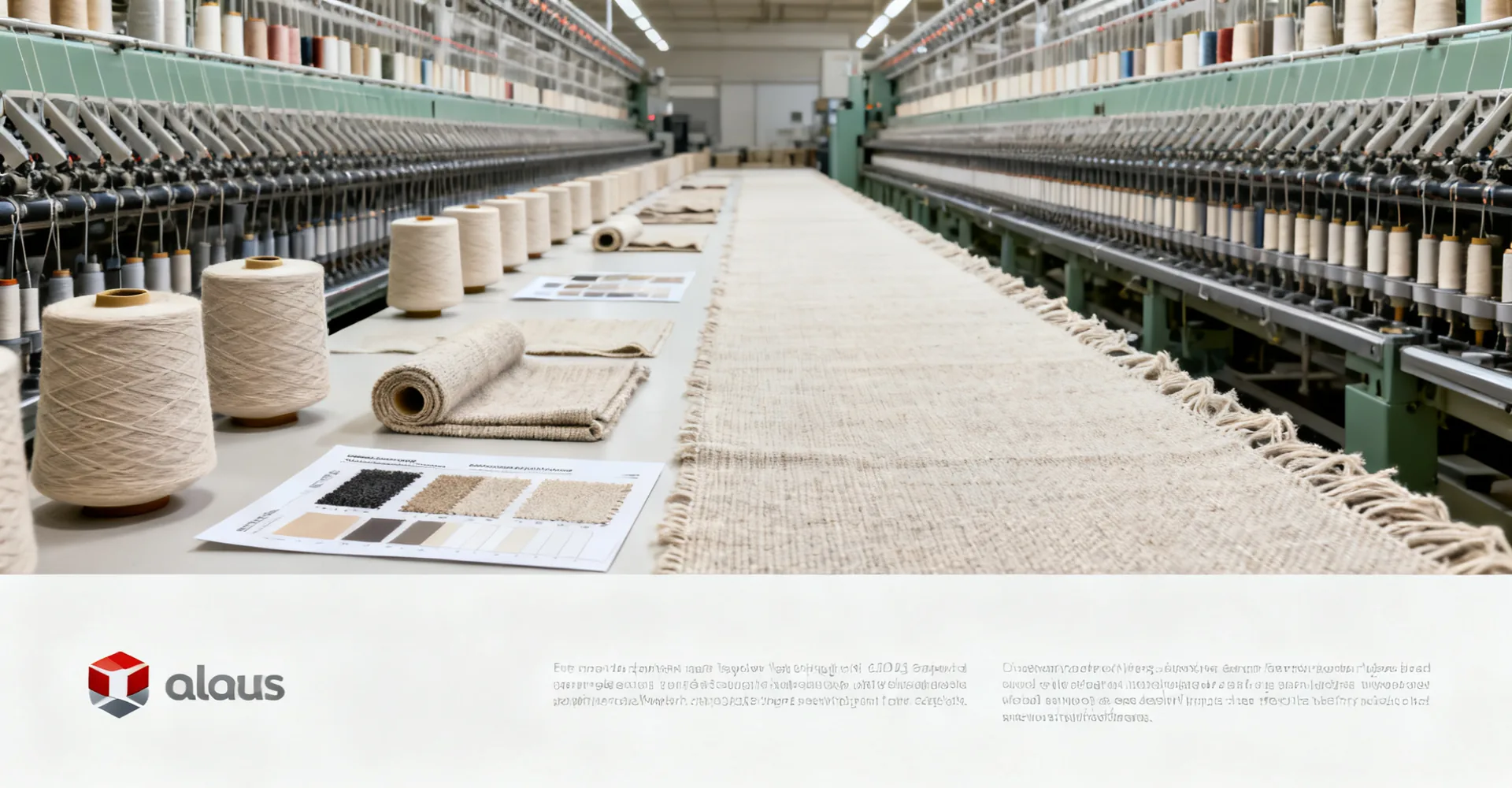
COOLMAX fiber and yarn development
COOLMAX — Describe comfort from fiber to fabric
Start with the fiber reference, then define the yarn and the finished activewear construction. A material name is a starting point for development, not a blanket performance guarantee.
Discuss your fabric requirements- Define the fibre
- Review the construction
- Approve the sample
Material scope
| Material family | Review first | Next step |
|---|---|---|
| Fiber and yarn references | Fiber composition, linear density and supply format | Explore fiber options |
| Activewear fabric constructions | Knit structure, GSM, usable width and finishing | Discuss suitability |
For yarn, record linear density in dtex or denier and identify the supply format. For a sports knit, connect the mass per unit area and usable width to the approved construction. Material-specific documentation is required before treating a target as a measured result.
Specification essentials
| Field | Target question | Evidence question |
|---|---|---|
| Composition | Identify fibre blend | Review supporting declaration |
| GSM | Agree target and tolerance | Confirm specimen and method |
| Usable width | Separate cuttable area from selvedge | Confirm roll-level agreement |
| Finish | Describe treatment or laminate | Check sample state and durability context |
Sample comparison desk
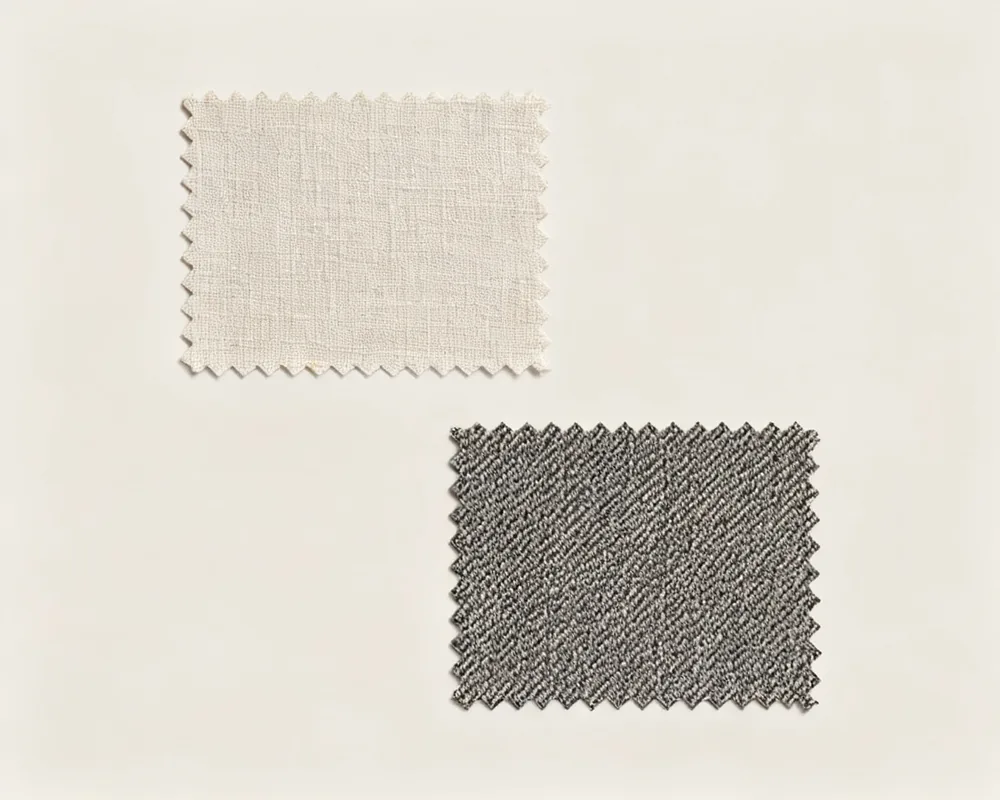
Compare yarn and cloth at the right stage
Retain a dated reference specimen and a clear description of the requested change. Fiber composition and yarn count help distinguish the raw material; GSM, usable width and finish belong to the cloth stage. Compare dimensional stability and pilling only within the relevant specimen and method context. A sample enquiry does not establish availability or bulk equivalence. For a wool blend comparison, consider absorbency and tactile preference alongside the drying target and care route; neither natural nor synthetic fiber is a universal answer. Air permeability and liquid movement are different questions, while hydrostatic head belongs to a barrier assessment. Finishing and laundering can change the specimen response. Request the method, conditioning and wash history with each report before comparing a yarn trial with the finished knit.
- Identify the submitted sample
- Record the requested difference
- Record the approved composition and construction revision
Name the next comfort question
Explain whether your next decision concerns yarn form, a blend or the finished knit. Keep the target separate from a verified test result.
Which specimen and care condition will anchor the comparison?Discuss your fabric requirements